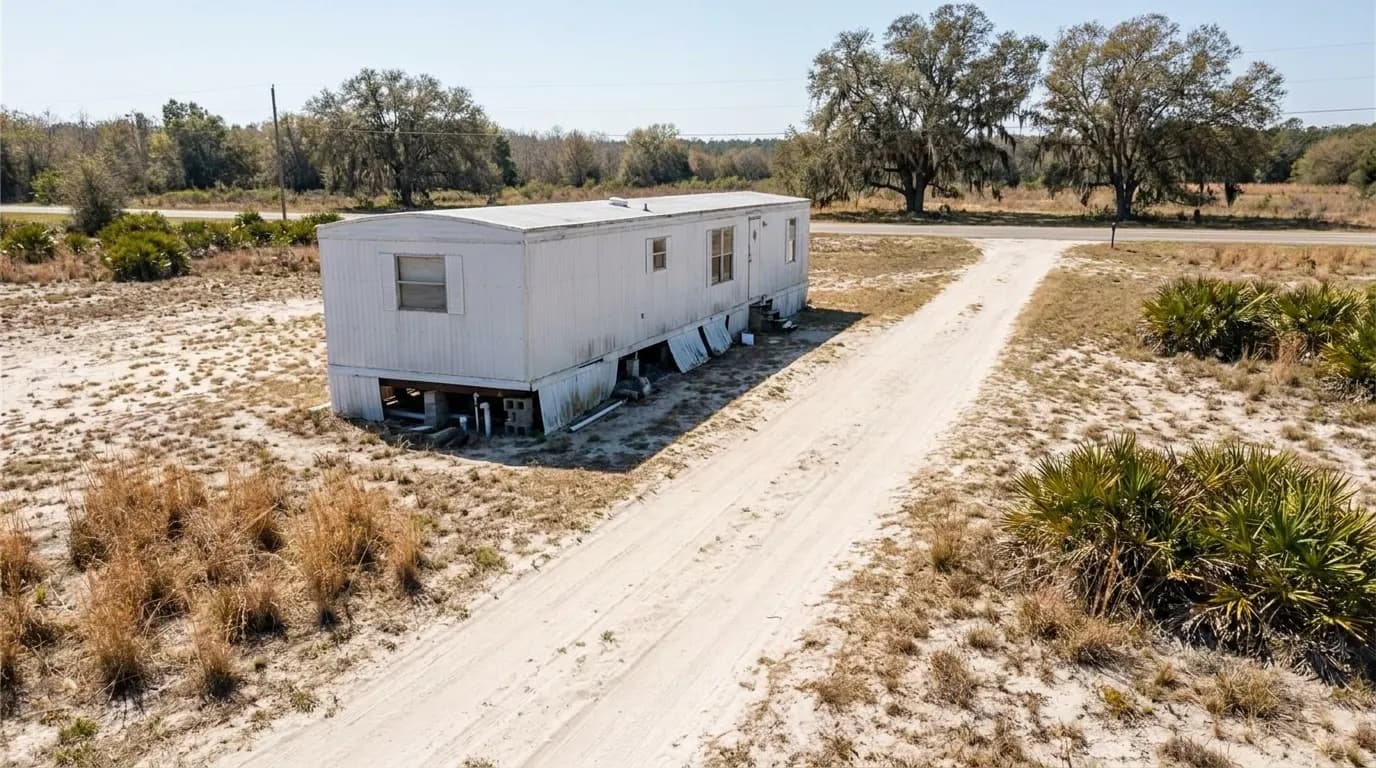
There is a specific situation that comes up constantly in Central Florida. Somebody owns acreage with a manufactured home on it, and the home has to go. The land is being sold to a builder. A family is clearing a parcel to put up a barn or a new house. An estate is splitting property and nobody wants the old doublewide sitting in the middle of it.
The owner starts calling around and gets a confusing set of answers, because most people in real estate do not sell homes for removal. They sell homes with dirt attached.
Selling a home that has to be moved is a different transaction with a different buyer and a different set of blockers. Here is how it actually works.
What you are selling is the home, not the property
In Florida a manufactured home is normally titled through the Department of Highway Safety and Motor Vehicles. It has a title with a VIN, the same way a vehicle does. The land has a deed recorded at the county. Those are two separate legal objects sitting in two separate record systems, and a sale for removal only touches the first one.
That is good news for a landowner. You keep the dirt. You transfer the home by title, the buyer takes it off the property, and what is left is a cleared parcel.
It only works if the title situation is clean. That is where most of these deals stall, so deal with it first.
Check the title status before you do anything else
Three possibilities, and they lead to very different places.
The home is still titled personal property. This is the straightforward case. There is a Florida title with an owner of record. You sign it over. If there is an old lien printed on the title, it has to be released before anyone can close, and tracking down a release from a lender that was bought, renamed or dissolved twenty years ago takes time you do not want to spend under contract.
The home has an RP decal. An RP sticker means the owner declared the home real property alongside land they own, under section 320.0815 of the Florida Statutes. RP decals are permanent as long as the home stays put. If the home is moved or sold separately from the land, that status has to be unwound and the home goes back to carrying an annual MH decal. Our walkthrough of the RP decal and de-titling covers that sequence in detail.
The title has been retired. This is the one that surprises people. Under section 319.261, an owner can retire a mobile home's certificate of title so the home legally becomes part of the real property. Once retired, the statute says the home may only be transferred together with the land it is affixed to. It cannot be sold as a separate moveable thing until a new title is issued. Reinstatement requires an affidavit from the land owners and every secured party and lienholder consenting to removal, plus a title insurance certification identifying all owners and lienholders, dated within ten days.
If you are in that third category, start the reinstatement early. It is a paperwork project, not a phone call.
The HUD label decides where the home can go
A buyer who moves homes is not just buying your home. They are buying a home they have to put somewhere legal.
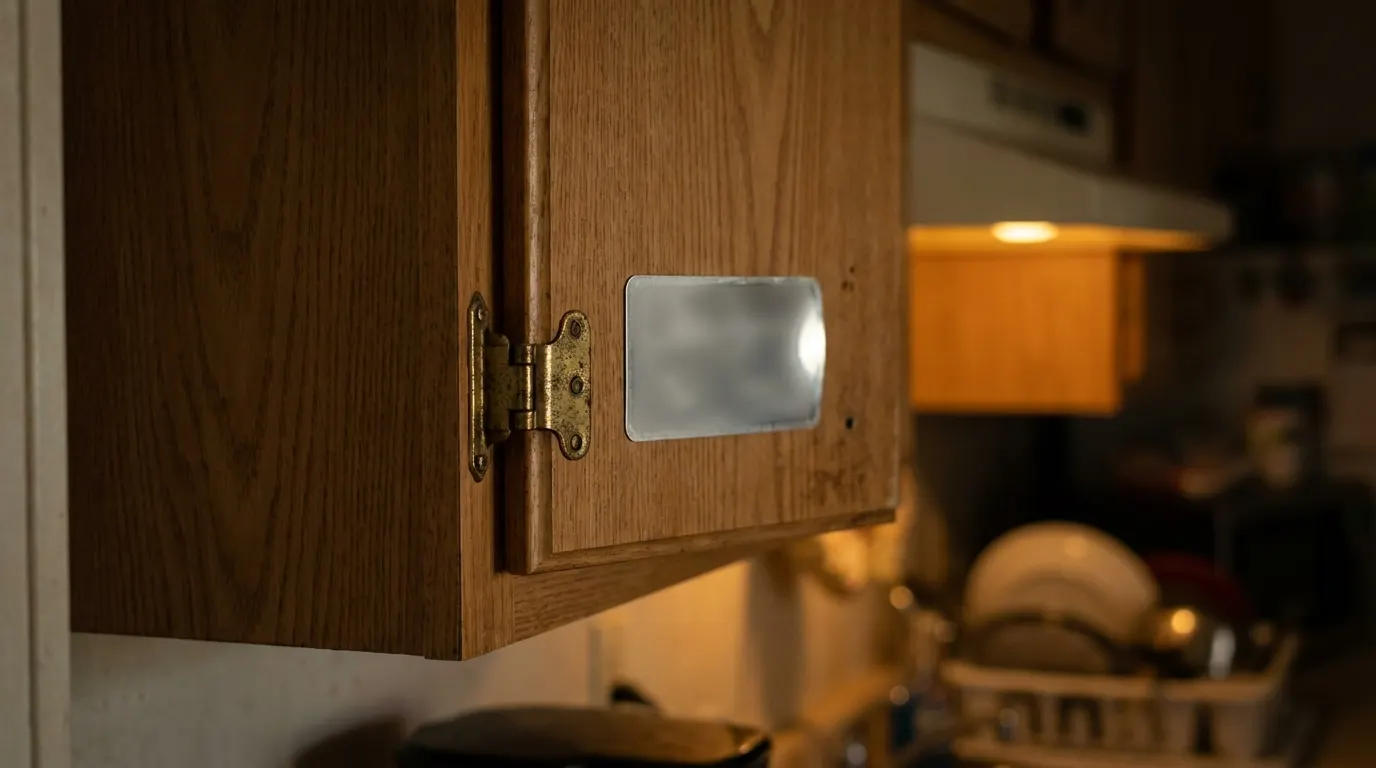
Manufactured homes built after 15 June 1976 carry a HUD certification label on the exterior and a data plate inside, usually in a kitchen cabinet, a bedroom closet or near the electrical panel. The data plate names the wind zone the home was designed for. Florida sits in Wind Zone II and Wind Zone III, which are the two highest zones under the federal standard.
That single detail can make or break the sale. A home built to a lower wind zone than the destination requires is a problem that no amount of price reduction fixes. We cover this in more depth in the wind zone article.
Homes built before mid-1976 predate the HUD Code entirely. Many haulers will not take them, many destinations will not accept them, and financing is effectively off the table for the next owner. If your home is pre-1976, find out whether a destination exists before you plan around a sale.
Access is worth more than people think
This is the part sellers almost never consider, and it is often the deciding factor.
A home has to physically get out. That means a route from where it sits to a road that a permitted oversize load can legally travel. What we look at on a walk-through:
- Whether there is a straight enough pull with room to swing the tongue.
- Overhead power and phone lines, and whether they can be lifted or have to be dropped.
- Trees, fence lines, wells, septic tanks, culverts and drainage ditches in the path.
- Whether the ground will carry the weight. Florida sand and soft low ground after a wet summer stop moves that looked fine in March.
- What has been built onto the home since it arrived. Carports, additions, Florida rooms and permanent porches have to come off or be demolished.
- Whether the frame, axles and hitch are still there, or were sold for scrap in 1998.
A twelve year old doublewide that has been boxed in by three additions and a row of oaks can be worth less to a mover than a twenty five year old single-wide sitting fifty feet from a county road with a clear shot to the highway.
What the transport itself involves
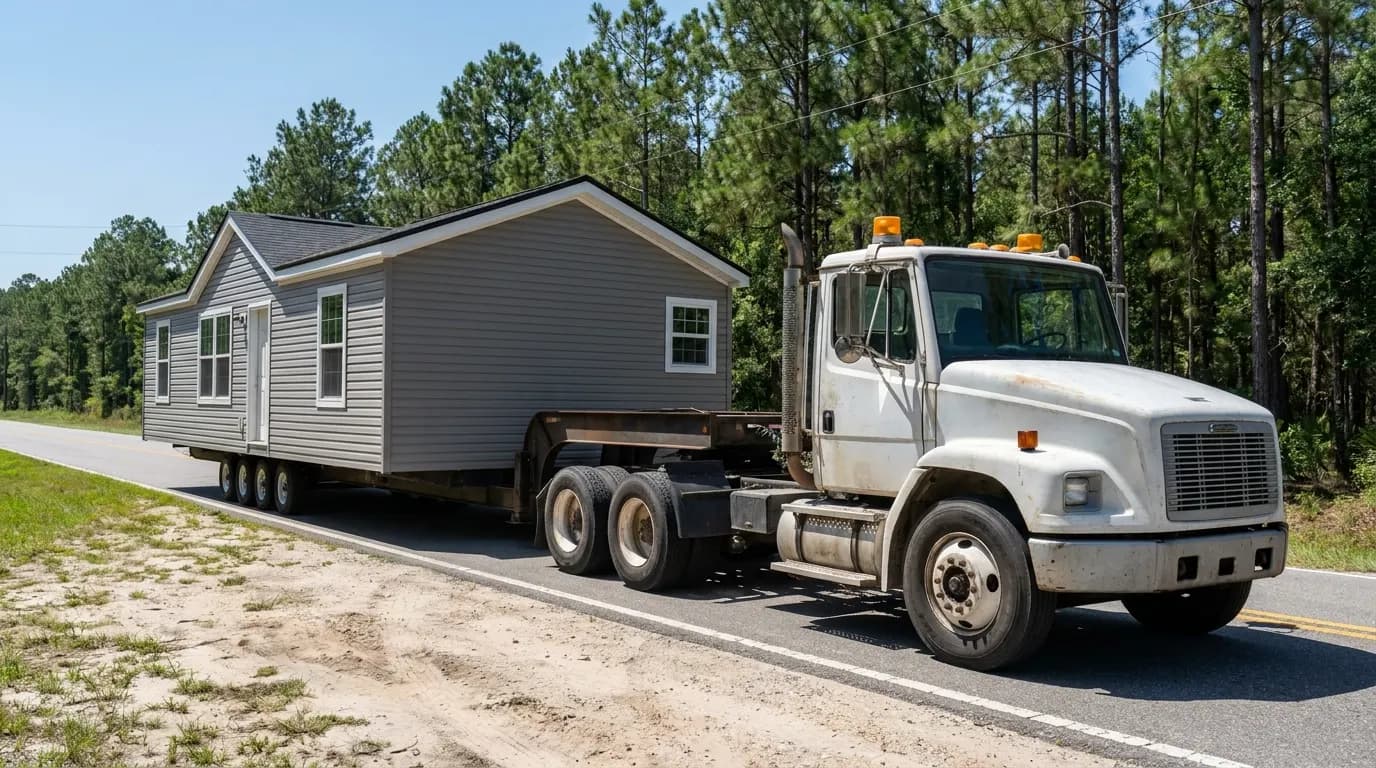
Anything wider than the legal limit needs a permit from the Florida Department of Transportation's State Permit Office. Florida's legal width is 8 feet 6 inches, and manufactured home sections are wider than that by definition, so a permit is always in play.
Escort requirements scale with width under the Florida Administrative Code chapter on overweight and overdimensional vehicles. Wider loads require one or more qualified escorts, and the widest loads can require law enforcement escort. Movement is generally restricted to daytime hours, and weekend and holiday movement is restricted unless the permit says otherwise.
On the receiving end, installation has to be performed by a licensed installer working to the state's installation standards, including piers, blocking, anchors and tie-downs. Those rules live in chapter 15C-1 of the Florida Administrative Code. If you want the full picture of what a relocation costs, read what a Florida move actually involves.
When the honest answer is that it is not worth moving
Sometimes it is not. A home with frame rot, a soft floor, separated marriage line, or a roof that has been patched for a decade may not survive the trip, and no hauler wants the liability.
In that case the realistic outcomes are demolition and disposal, which is a cost to you, or selling to someone who takes the removal on as part of the deal. The second is usually better for the landowner even when the number is small, because the alternative is writing a check.
We would rather tell you that up front than let you spend two months finding out.
What we buy
We buy manufactured homes on private land across Central Florida, including homes that have to come off the land and be moved. Homes on acreage are specifically what we look for, and a home that is in good enough shape to relocate is worth real money to us.
If you have a home that needs to leave a property, send us the details and we will tell you what we think it is worth and whether a move is realistic. If the honest answer is that it should be demolished, we will say that. You can also look at what we are currently buying or read more about how we work.
This article is general information about Florida titling and transport procedure. It is not legal advice. Statutes, administrative rules, permit requirements and local placement rules change, so confirm current requirements with FLHSMV, FDOT, your licensed installer and the receiving county before making decisions.
Sources: Florida Statutes 319.261, Retirement of mobile home certificate of title; Florida Statutes 320.0815; FDOT Over-Weight Over-Dimension Permits; Florida Administrative Code Chapter 14-26; Florida Administrative Code Chapter 15C-1