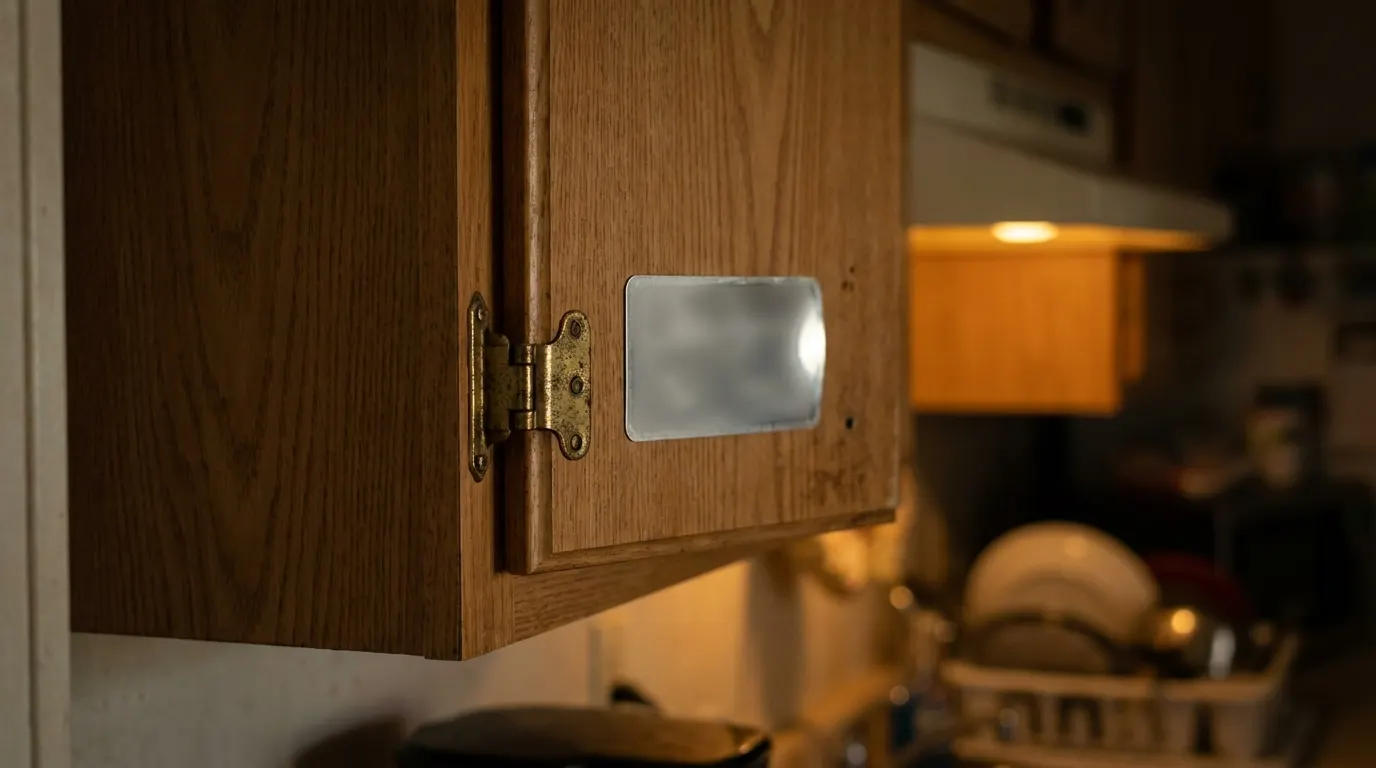
When somebody calls about a home that needs to be moved, one of the first things we want to know is what the data plate says. Not the year, not the square footage. The wind zone.
It is a small line of print inside a cabinet door, and it can be the difference between a home that has a future somewhere else and a home that is worth what its appliances and copper bring.
What the wind zone is
The federal Manufactured Home Construction and Safety Standards set structural design requirements for manufactured homes, and 24 CFR 3280.305 is the section that handles wind. It divides the country into three wind zones.
Wind Zone I is the general case. Wind Zone II is designed to 100 mph. Wind Zone III, the highest, is designed to 110 mph. Homes built for Zone II and Zone III have to be designed to resist the wind loads specified for those zones, which means heavier framing, more connections, and stronger roof to wall and wall to floor attachment than a Zone I home carries.
Florida is entirely in Wind Zone II or Wind Zone III. There is no part of this state where a Zone I home is the right home. Wind Zone III covers a set of coastal and South Florida counties, and Wind Zone II covers the rest, including most of the Central Florida interior where we work.
The direction rule, and why it matters to a seller
This is the part that catches people out.
A home built to a higher wind zone can generally go into a lower wind zone. A Zone III home can be set in a Zone II or Zone I location, because it is built to a stronger standard than the site requires.
It does not run the other way. A home built to Wind Zone I is not built to resist the loads Florida sites are designed for, and it does not become compliant by being trucked here. That is why a cheap manufactured home bought sight unseen out of Georgia or Tennessee can turn into a home with nowhere legal to go.
Within Florida, the same logic applies to a move from the interior toward the coast. A Zone II home being relocated into a Zone III county is a conversation with the receiving county's building department before it is a conversation with a hauler, not after.
Where the wind zone is actually written down
Two separate pieces of paper and metal, and people confuse them constantly.
The HUD certification label is the red metal plate bolted to the outside of each section, usually on the rear end wall near the bottom corner. It carries a label number. It proves the section was built to the federal standard, which means built after 15 June 1976. It does not tell you the wind zone.
The data plate is a paper label inside the home. It is most often taped or glued inside a kitchen cabinet door, on the inside of a bedroom closet door, or near the electrical panel. This is the one that matters. Under the federal standard, the data plate has to show the wind and roof load zones the home was designed for, and it carries small zone maps printed on it.
If you are thinking about selling a home for removal, go find the data plate before you call anybody. It takes ten minutes and it changes the conversation.
The 1994 line
The current three zone framework and the strengthened wind provisions took effect on 13 July 1994, after Hurricane Andrew. That date is not trivia. Florida's own installation rules draw a line at it too: chapter 15C-1 of the Florida Administrative Code specifies different anchor holding power requirements for homes manufactured before 13 July 1994 than for homes manufactured after it.
The practical result for a Florida seller is that a home built after mid-1994 generally has a clearer path to being re-sited than an otherwise similar home built in the 1980s. It is not the only factor, and condition still rules, but it is one of the reasons two homes of similar size and appearance can be worth very different amounts to a buyer who intends to move one.
Homes built before 15 June 1976 predate the HUD Code entirely. They carry no certification label because the standard did not exist. Many haulers will not take them, many Florida counties will not permit them onto a new site, and lenders generally will not finance them for the next owner.
When the data plate is gone
It happens constantly. Kitchens get remodeled, cabinet doors get replaced, a renter peels it off, water gets to it.
You are not automatically stuck. HUD does not reissue certification labels, but a label verification letter can be requested for homes where the historical record can be located, and the Institute for Building Technology and Safety handles those requests. Where the original data plate is missing, IBTS can issue a substitute document.
Two practical tips before you go that route. First, old financing paperwork frequently contains the information, because lenders required it. Second, an appraisal or insurance file on the home from a prior sale often names the wind zone.
Budget time for it. This is a mail and records process, not something that resolves the afternoon a buyer asks.
What the wind zone does not decide
Worth being clear, because owners sometimes over-read this.
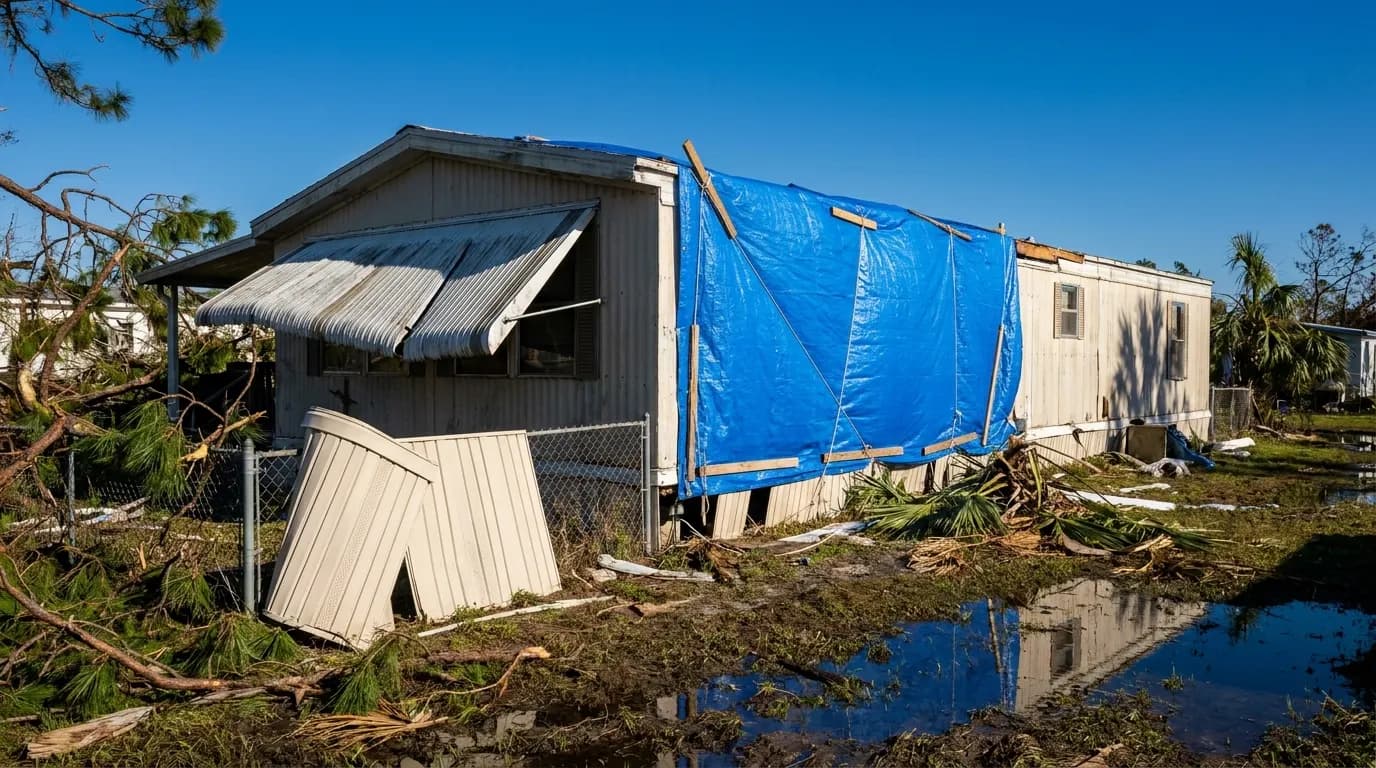
The wind zone on the plate describes what the home was designed to resist when it left the factory. It is not a statement about the condition of that home thirty years later, and it is not a promise about how the home will perform in a specific storm. A Zone III home with rotted anchor straps and a failed roof is not a strong home. A correctly installed and maintained Zone II home in an inland county is in a very different position than the same home neglected for fifteen years.
Installation matters as much as design. Florida's anchor and tie-down standards exist because a home that is not properly tied down is not protected by the way it was built. If your home has been sitting a long time, the straps, anchors and piers are worth looking at regardless of what the data plate says.
Why we ask about it first
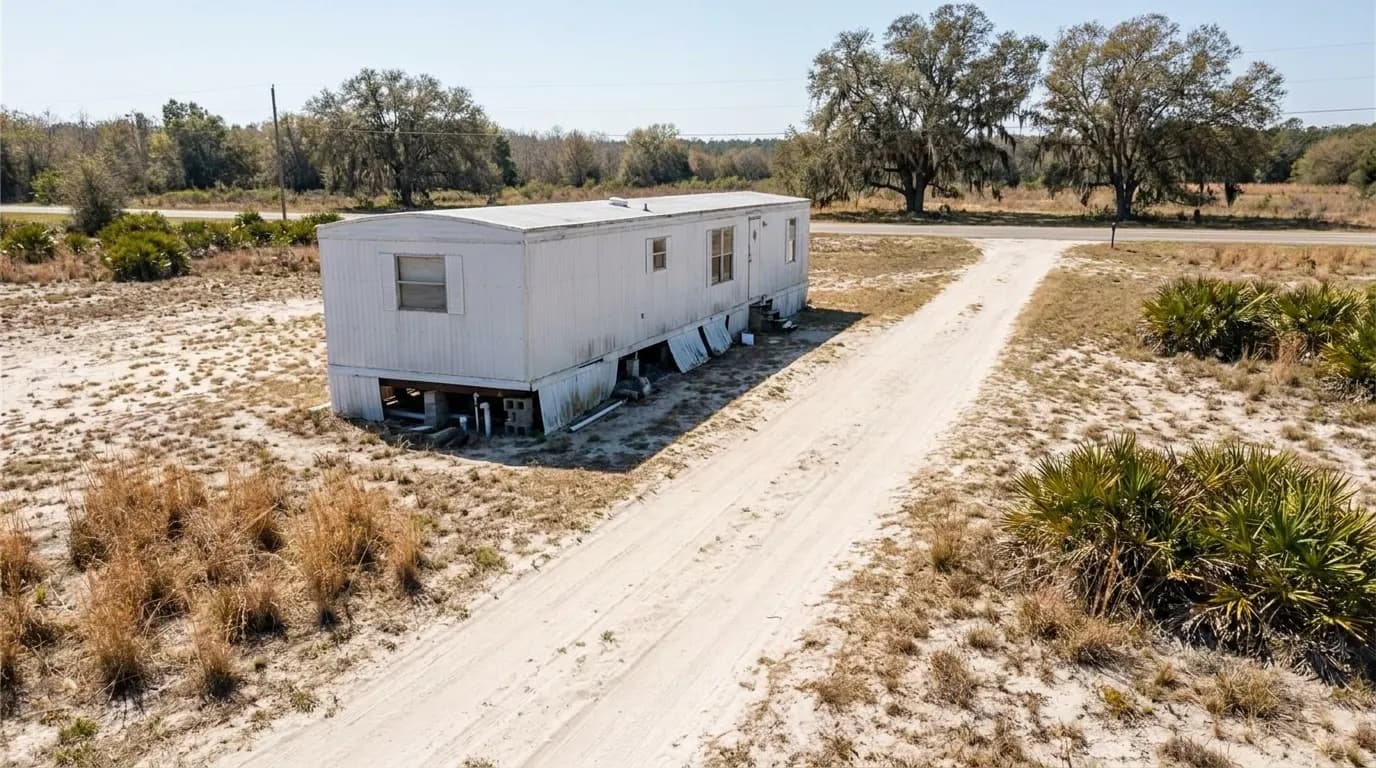
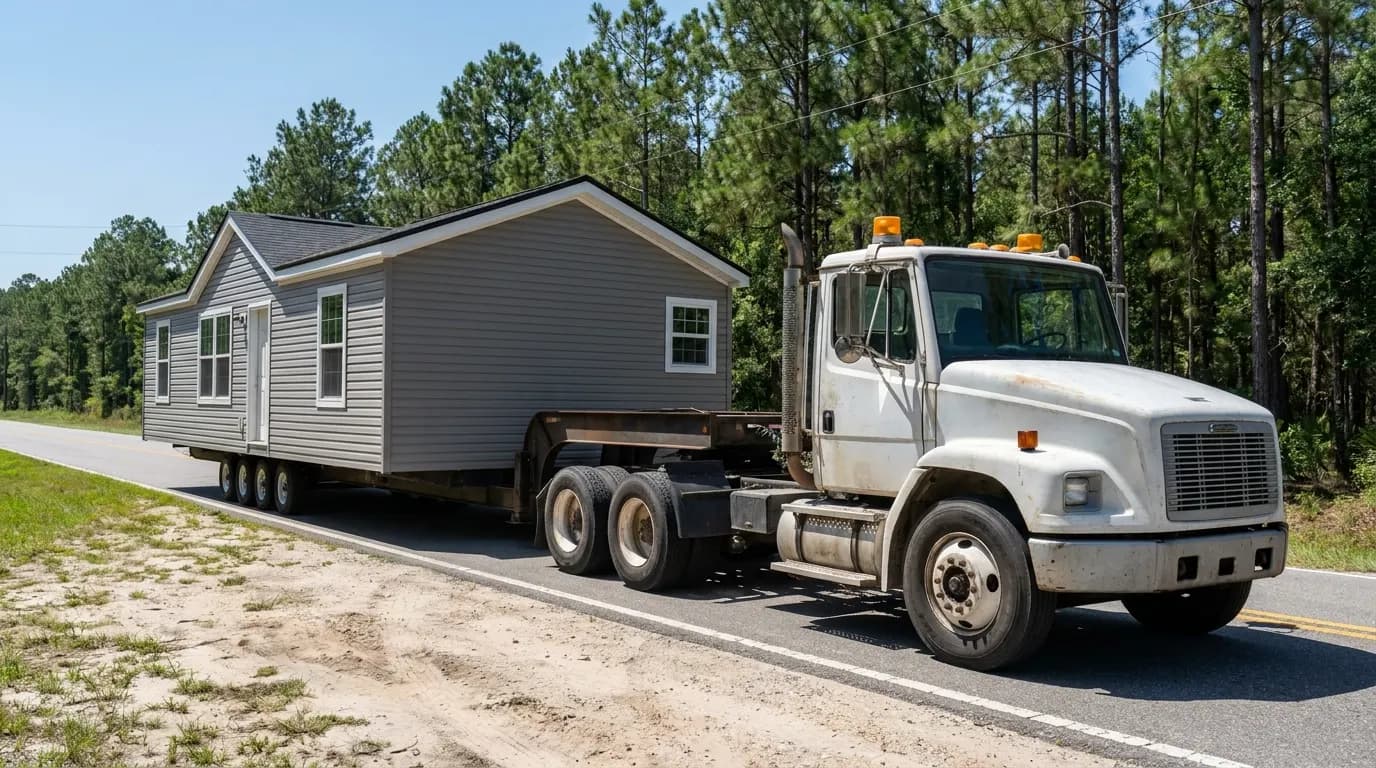
We buy manufactured homes on private land in Central Florida, and we specifically look for homes that can be moved. The wind zone is one of the first three things we check, alongside title status and physical access, because it tells us whether the home has a destination.
If you have a home on land and you are not sure what you have, send us what you know and we can usually work it out from photos of the data plate and the HUD label. If you are looking at buying a manufactured home and want to understand what you are looking at before you commit, our FAQ covers the common questions and our page on financing explains why the label and plate matter to a lender too.
This article is general information about federal manufactured housing standards and Florida installation rules. It is not legal advice or an engineering opinion. Federal standards, state rules and county placement requirements change, so confirm current requirements with HUD, FLHSMV and the receiving county before relying on any of it.
Sources: 24 CFR 3280.305, Structural design requirements; 24 CFR 3280.305 at Cornell Legal Information Institute; HUD, Manufactured Housing HUD Labels; Florida Administrative Code Chapter 15C-1