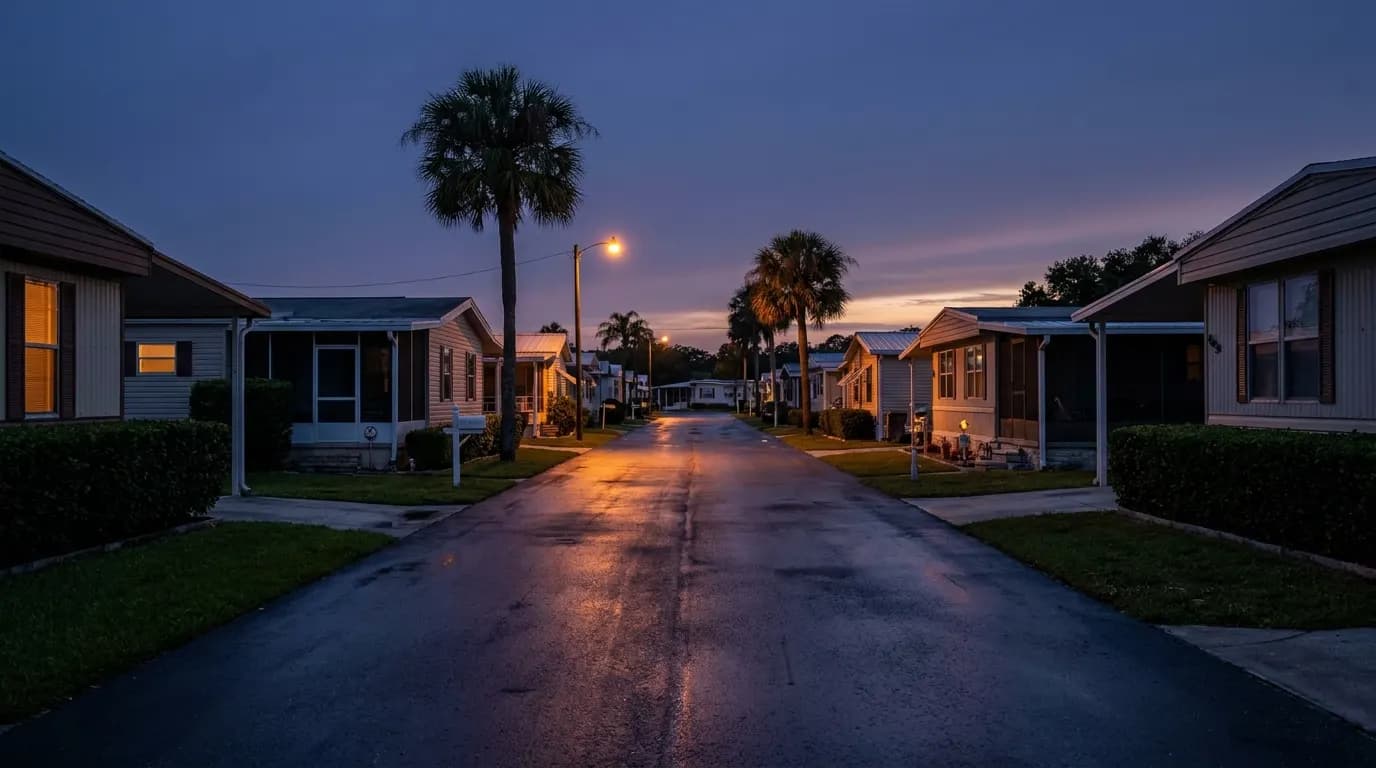
A letter arrives. The lot rent is going up, and not by four percent. Somebody who has been paying a number they could live with for years is now looking at a number that changes the whole arithmetic of their retirement.
This happens in Florida. Communities change hands, new ownership repositions the property, and the increase lands in one step rather than in increments. We have talked to homeowners whose lot rent more than doubled inside a single cycle.
Almost everyone goes looking for the law that stops it. So let us be direct about what the law does.
This article is general information about Florida law. It is not legal advice, statutes and their interpretation change, and every situation is different. If a rent increase or a lease term is affecting you, talk to a Florida attorney or the state division that regulates mobile home parks.
Chapter 723 is real, and it covers a lot
Florida Statutes Chapter 723, the Florida Mobile Home Act, governs residential tenancies where a mobile home sits on a rented or leased lot in a mobile home park.
The scope test in section 723.002 is size: the chapter applies where 10 or more lots are offered for rent or lease. That rules out some arrangements people assume are covered. A home on a single rented lot from a private landowner, or a property under that threshold, is a different legal situation.
If it applies, it governs the prospectus and rental agreement, entrance fees, grounds for eviction, change of use, and the subject of this article, increases in the lot rental amount.
What you are actually owed on an increase
Section 723.037 is the operative section. The mechanics it sets up:
Ninety days written notice. The park owner must give written notice to each affected mobile home owner, and to the board of the homeowners' association where there is one, at least 90 days before any increase in the lot rental amount, any reduction in services or utilities, or any change in rules and regulations.
A meeting you can require. A committee of no more than five, designated by a majority of the affected homeowners or by the association board, and the park owner must meet at a mutually convenient time and place no later than 60 days before the effective date, to discuss the reasons for the increase.
The notice right cannot be signed away. The statute says the homeowner's right to the 90 day notice may not be waived or precluded by a homeowner, or by the homeowners' committee, in an agreement with the park owner.
A mediation path. Where the affected homeowners designate the increase as unreasonable, section 723.038 provides a mediation process within a set window after the meeting, and if mediation does not resolve it, either party may take the matter to circuit court.
That is a genuine set of rights. Notice, transparency about the reasons, a required meeting, and a dispute process. It is more than a standard residential lease gives you.
What Chapter 723 does not do
Now the part that disappoints people, and it is better to hear it plainly.
It does not cap the increase. There is no percentage limit in the statute. Florida has no statewide lot rent control mechanism for mobile home parks. The chapter regulates the process, the notice, the disclosure and the dispute path. It does not regulate the number.
The meeting is not a veto. The park owner has to meet and discuss the reasons. The statute does not require agreement, and the meeting does not have to change the outcome.
"Unreasonable" is a legal standard, not a feeling. The chapter contemplates a court considering whether an increase is unreasonable, and market rent for comparable lots is central to that analysis. An increase that is painful is not automatically unreasonable in the statutory sense. That determination involves evidence, comparables and, realistically, counsel.
It does not stop a sale of the property. A park owner can sell. Section 723.071 requires that when the owner receives a bona fide offer to purchase the park, the officers of the homeowners' association be notified of the price and material terms, and gives the association a limited window to execute a contract on those terms. But the statute is explicit that the park owner is under no obligation to sell to the homeowners, and may continue negotiating with and contract with other parties.
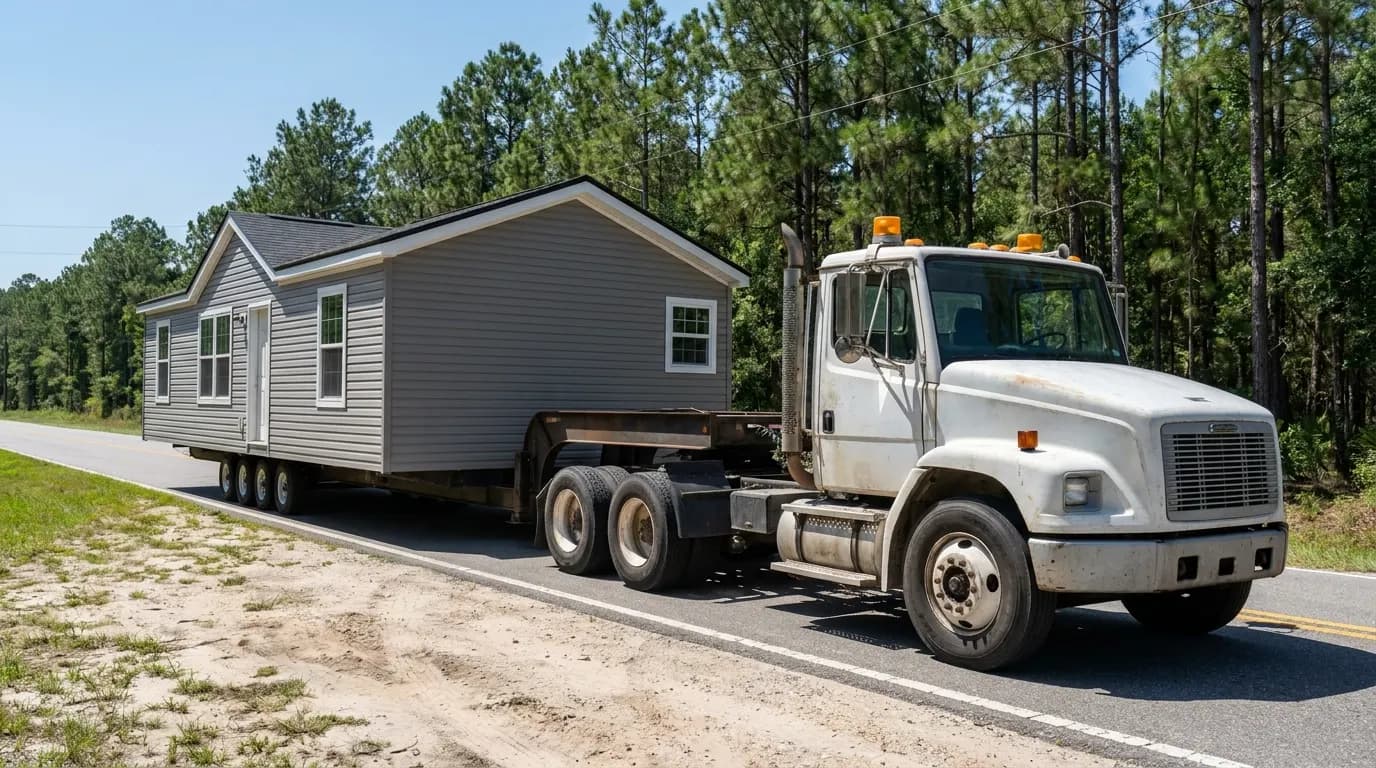
It does not make your home moveable. This is the one that bites hardest, and we will come back to it.
Change of use is a different section with different rights
If the increase is really a prelude to something bigger, look at section 723.061, which covers grounds for eviction including a change in the use of the land.
Change of use carries its own machinery: a six month notice to affected homeowners and tenants, a requirement to offer the property to the homeowners' association, mandatory language in the notice referencing the Florida Mobile Home Relocation Trust Fund, and a restriction on raising lot rental amounts in the period immediately before announcing a use change.
There is also a relocation assistance structure. Section 723.0611 establishes the Florida Mobile Home Relocation Corporation, and section 723.0612 sets out relocation payments for homeowners required to move because of a change in use. It provides for either actual moving expenses or flat statutory amounts, whichever is less, with separate lower amounts where a homeowner abandons the home and transfers title with lien releases instead. There is an application process with deadlines, and there are disqualifiers.
The dollar amounts are set in the statute and can be changed by the Legislature, so read the current text of 723.0612 rather than a figure you saw somewhere.
The thing that makes lot rent different from apartment rent
Here is the structural problem, and it is what actually traps people.
If your apartment rent doubles, you move. It is miserable and expensive, but the unit is not yours.
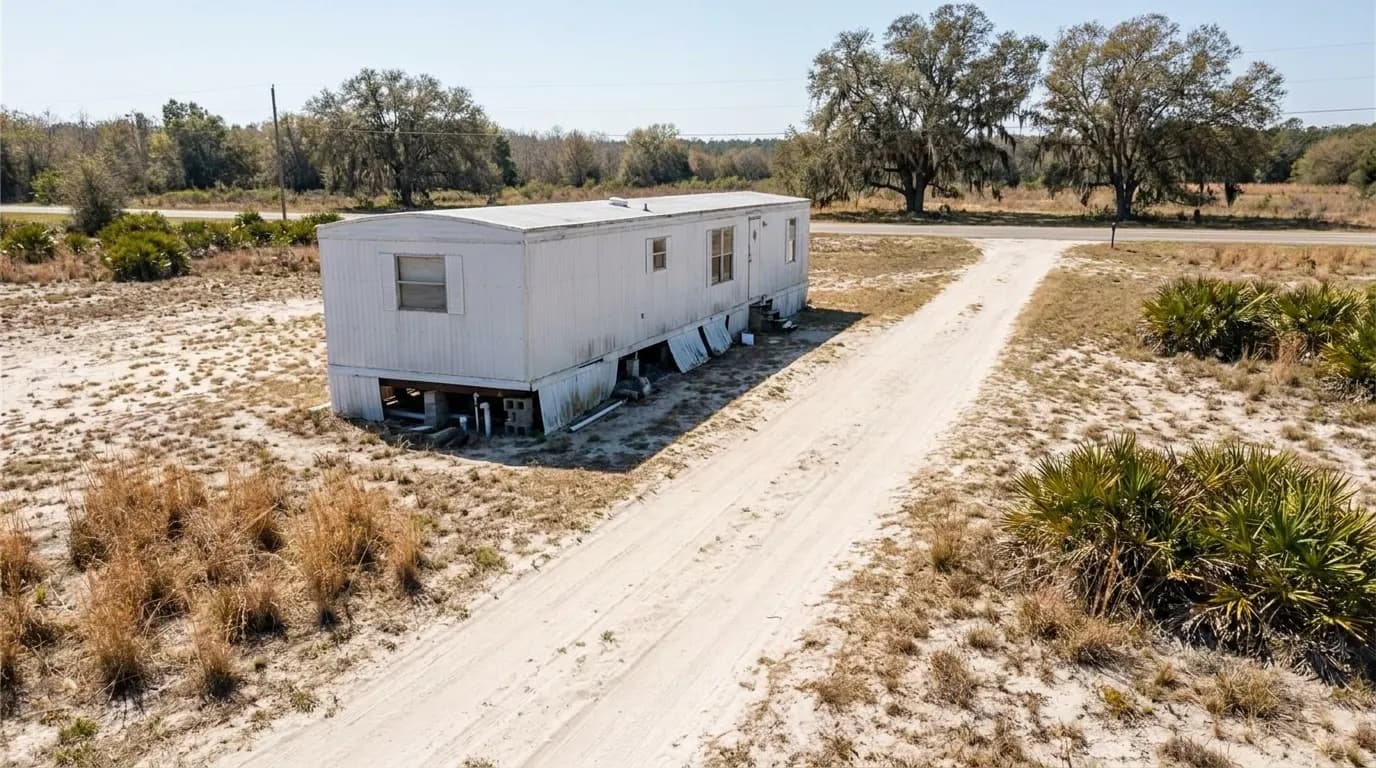
If your lot rent doubles, your home is a physical object sitting on somebody else's ground, and relocating it is a permitted oversize transport job with a disconnect crew, a hauler, escorts and a licensed installer at the far end. We break that down in what a Florida move actually costs. It is frequently more than an older home is worth.
So the homeowner is not really choosing between paying and leaving. They are choosing between paying, selling the home at whatever a buyer will pay given the new lot rent, and abandoning it. That is why an increase in the ground rent can move the value of a home that has not changed at all.
What we would actually do in that situation
Three things, in this order.
Read the documents you already have. Your rental agreement, the prospectus if one applies to your community, and the rules. Section 723.031 governs the rental agreement, and statutory provisions are deemed part of it. The answers to most of the "can they do that" questions are in those pages.
Find out who your neighbors are talking to. The statute's meeting and mediation rights run through a homeowners' committee or association. A single homeowner acting alone has notice rights but far less leverage in the process the statute actually builds.
Get real numbers on your own home, separately from the rent fight. Know what it is worth, what it would cost to move, and whether it can be moved at all. Those answers do not change based on how the negotiation goes.
Where Florida homeowners can get help
The Division of Florida Condominiums, Timeshares, and Mobile Homes, within the Department of Business and Professional Regulation, regulates mobile home parks. Their mobile homes page is a better first stop than a forum.
What we buy, plainly
So there is no confusion about why we wrote this: we buy manufactured homes on private land across Central Florida, and we specifically look for homes that can be moved. Landowners are who we work with.
If you own land with a manufactured home on it, or you own a home that needs to come off a site, that is our lane. If you are researching lot rent because you are weighing a move onto your own acreage, our FAQ and financing page may help you think it through.
Sources: Florida Statutes Chapter 723, Mobile Home Park Lot Tenancies; Section 723.037, Lot rental increases; Section 723.002, Application of chapter; Section 723.061, Eviction; grounds, proceedings; Section 723.0612, Change in use; relocation expenses; Florida DBPR, Mobile Homes